Y-Mini participates in educational research
Views :
Update time : 2026-06-30
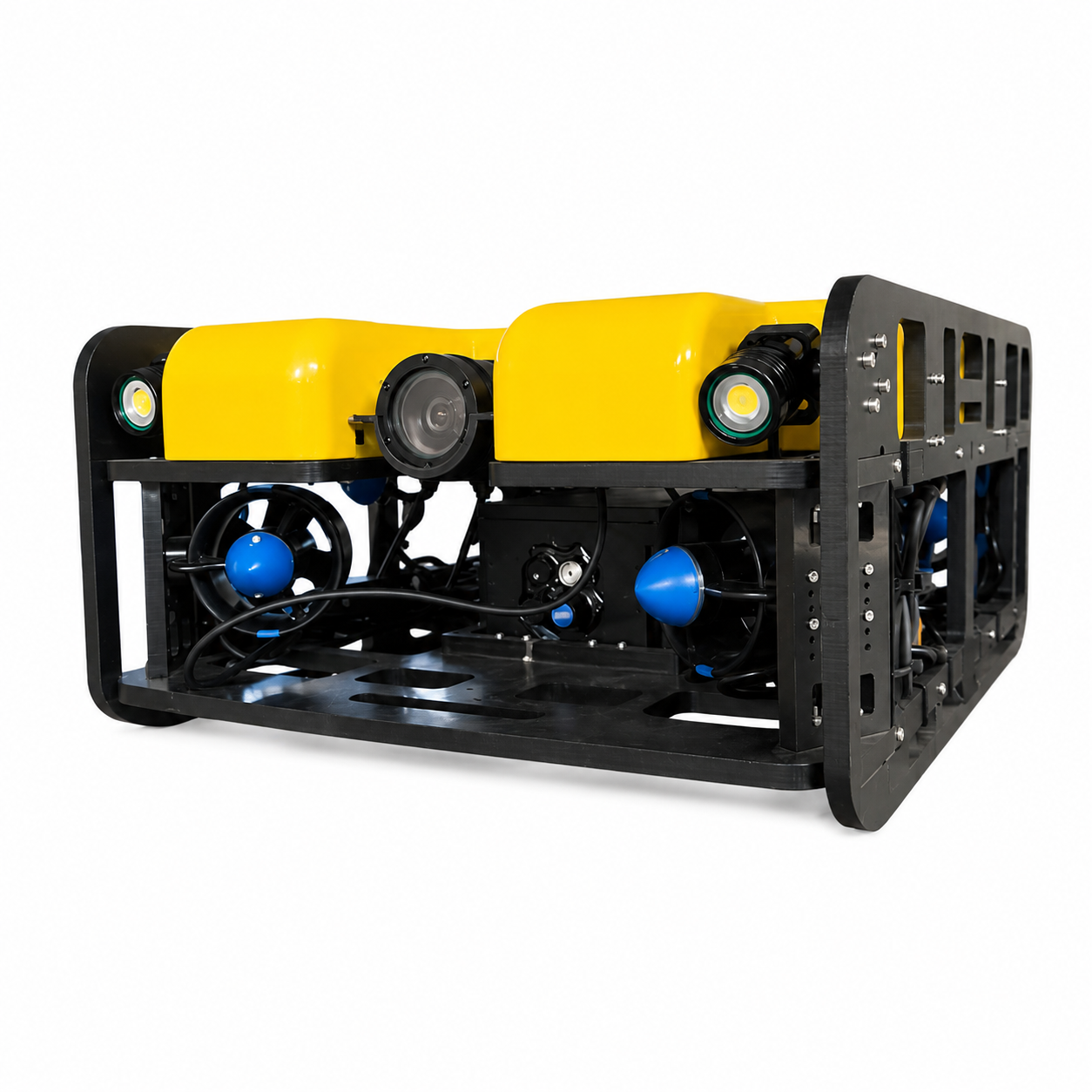
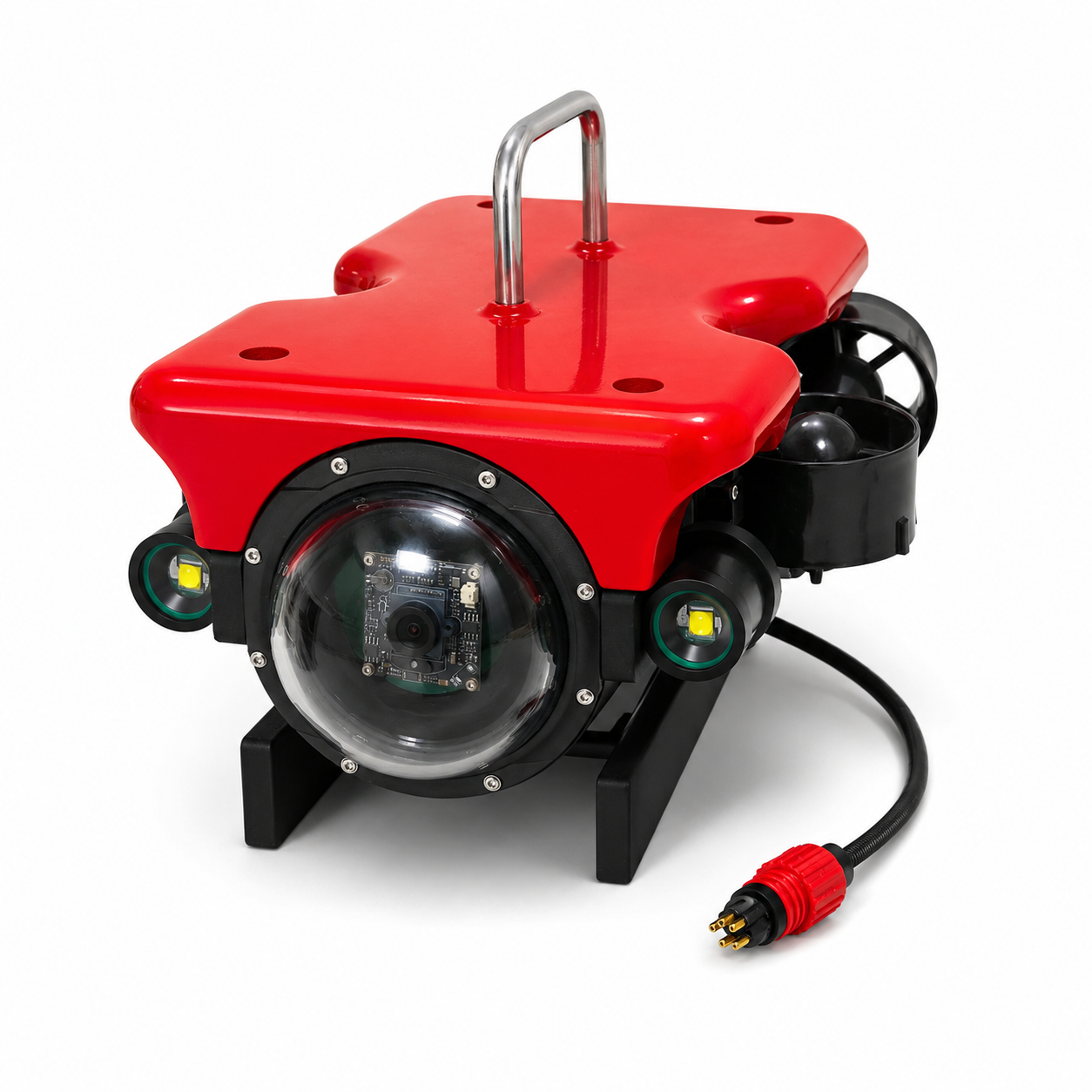
Small‑form‑factor remotely operated underwater vehicles (ROVs) have rapidly become essential teaching and experimental equipment for university laboratories, vocational schools and student‑oriented marine‑science programs. Compared with heavy‑duty industrial‑grade underwater robots, this compact red‑shell ROV features a streamlined structure, intuitive control system and affordable setup. It provides hands‑on underwater practice, sparks students’ interest in marine technology and cultivates comprehensive engineering capabilities for future underwater‑industry talents.
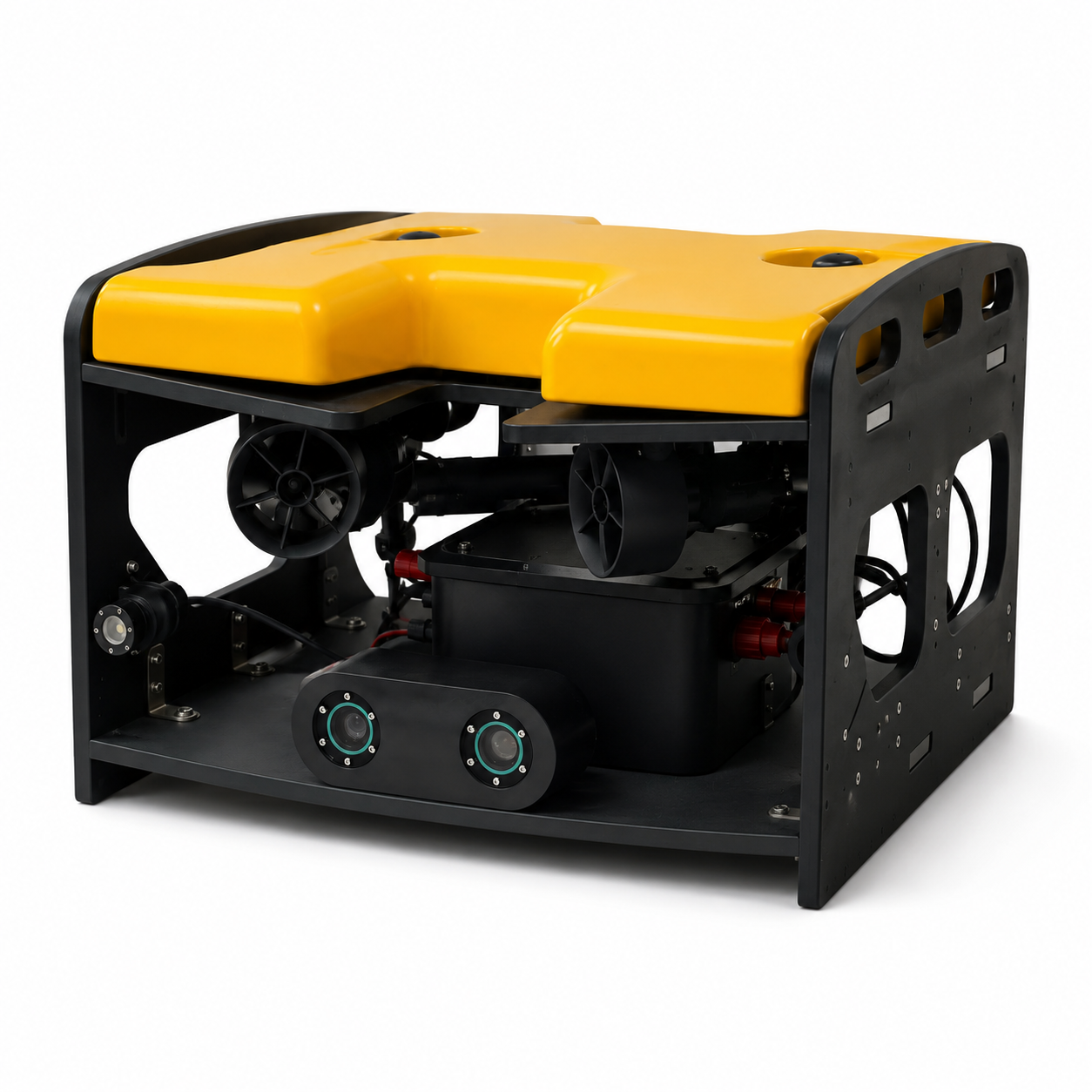
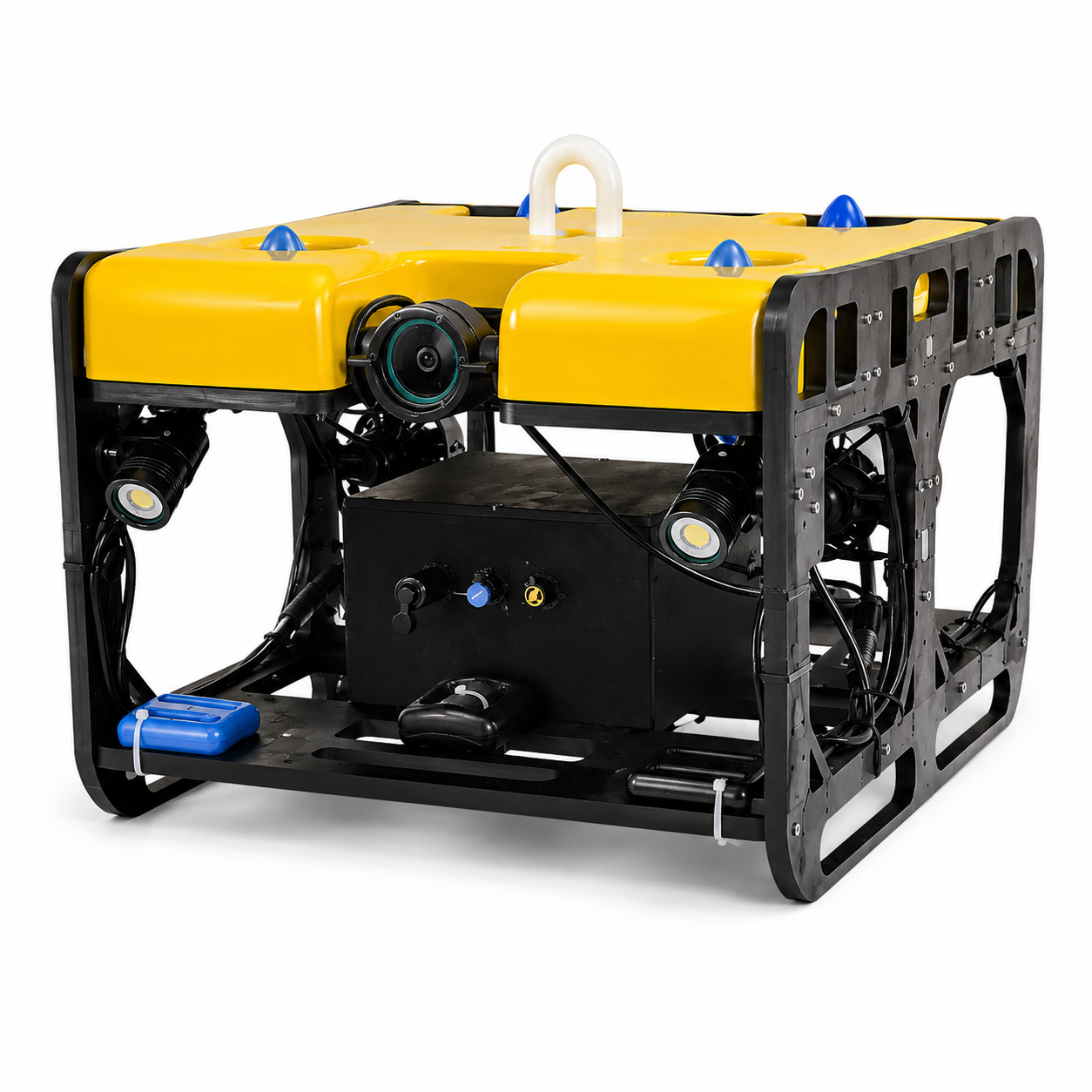
For campus laboratory teaching, the mini ROV builds a practical experimental platform for marine‑engineering, robotics, electronics and mechanical courses. University labs can disassemble, modify and upgrade the robot’s core modules, including thrusters, HD camera units, LED lighting circuits and wired power‑transmission systems. Students get to learn circuit wiring, waterproof structure design, thruster motion control and signal transmission theories. Instead of merely memorizing textbook knowledge, learners turn abstract mechanical‑electronic theories into real‑world practice inside school laboratories.
The portable ROV greatly stimulates students’ curiosity and interest in underwater science. Many young students hold limited understanding of underwater environments and ocean‑exploration technology. By operating this compact ROV in pools, lakes and shallow coastal waters, students observe real‑time underwater scenery via on‑screen video. They carry out small‑scale water‑quality surveys, seabed terrain observation and benthic‑organism recording. Vivid field‑based activities arouse their passion for oceanography, underwater robotics and marine innovation, encouraging them to explore further in STEM‑related subjects.
Hands‑on ROV‑related projects play a critical role in cultivating students’ comprehensive practical abilities. When students assemble, debug, program and pilot the underwater robot, they need to tackle practical challenges: waterproof leakage problems, thruster‑motion tuning, signal‑delay adjustment and underwater‑stability optimization. These problem‑solving processes strengthen their logical thinking, teamwork skills, hands‑on operational capacity and project‑design thinking. Students participating in ROV competitions can further polish innovation capabilities, preparing themselves for future marine‑research jobs and high‑tech underwater‑engineering careers.
Moreover, these low‑cost educational‑type ROVs support small‑scale academic research projects. Postgraduate teams can apply the device for shallow‑water ecological sampling, reservoir sediment analysis and freshwater‑environment monitoring. It helps universities conduct preliminary marine‑science research without purchasing expensive industrial underwater‑equipment.
In summary, educational‑focused ROVs bridge theoretical classroom learning and real‑world ocean‑engineering practice. By equipping university laboratories, firing up students’ interest in ocean‑related STEM fields and nurturing core practical abilities, compact underwater robots lay a solid talent foundation for the long‑term development of marine science, underwater robotics and ocean‑technology industries.
Related Solutions
Read More >>